Art History - Sensation

Book Tickets
Click a time to book tickets
-
Fri 5 Feb
-
Fri 12 Feb
-
Fri 19 Feb
-
Fri 26 Feb
-
Fri 5 Mar
-
Fri 12 Mar10:30
Share This Page
Info
Please be aware that there are no trailers before the performance.
- Fri 5 Feb to Fri 12 Mar
- 120 minutes
Synopsis
Roger Simpson presents a series of 6 talks on
Sensation - Some Minor Arts of Cultural Amusement£10 per talk, £51 for all 6 bought in advance in one transaction.
When our ancestors wanted entertainment that didn’t overly stretch the intellect, that took them away from the cares of the world, they turned to mass arts of illusion, to “special effects,” to parodies of themselves, to a sort of sci-fi—to what they termed Sensation.
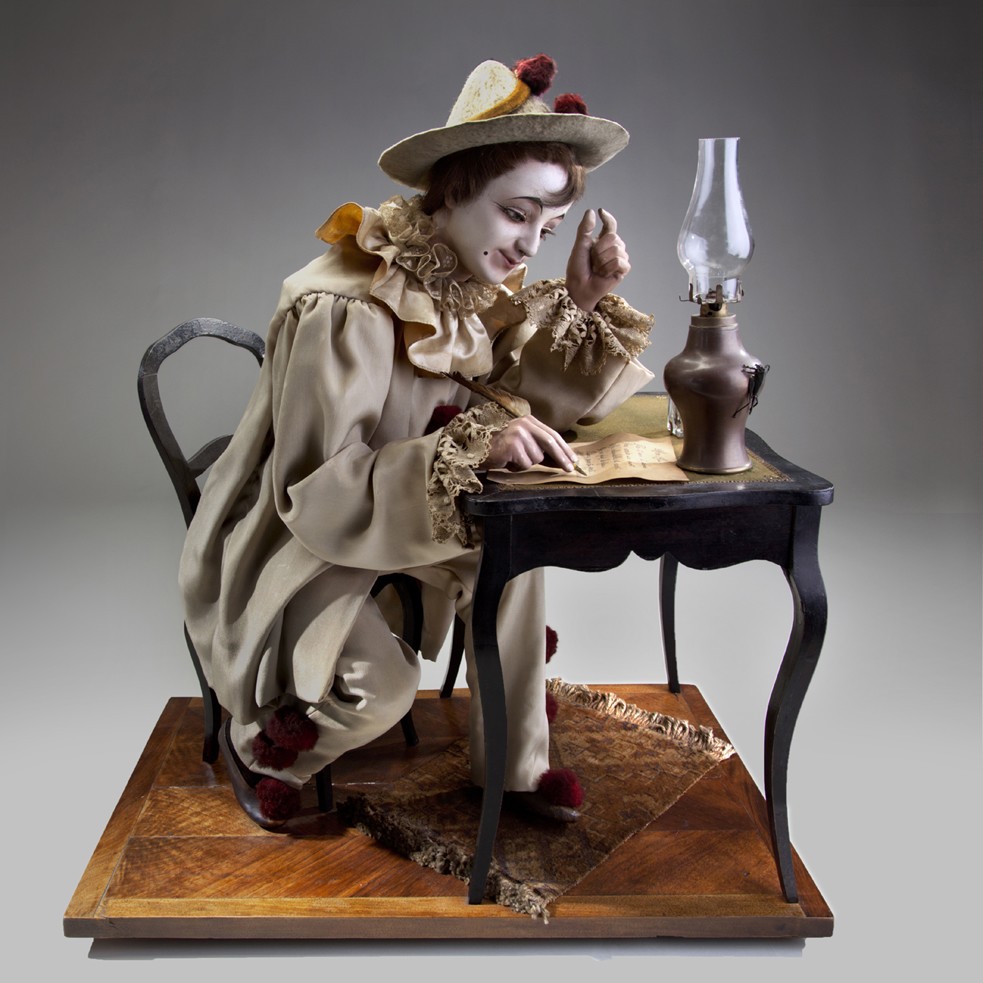
5 February. Approximations of Life. Waxworks and Automata.
Mary Shelley published Frankenstein; or, The Modern Prometheus in 1818. Science (mad science) making an artificial human. Inanimate artificial humans had already been made for over a century: anatomical wax figures in extraordinary—and quite disturbing—realism. And by the 19th century automata would bring an animated approximation of life to wealthy parlours and to public exhibition halls.
12 February. Panorama. Cinema before Cinema.
It was said that Queen Charlotte felt seasick viewing a 360° immersive illusionistic painting of the Grand Fleet at Spithead. The painting was a Panorama. Panoramas (and related shows like Dioramas) showed us the world, culminating in an extraordinary stage performance of Ben Hur in 1899, four years after the Lumière Brothers showed the first motion picture.
19 February. Fairs and fairground amusements. The Fun Starts Here.
Travelling fairs (and related street shows) have brought bright moments into our lives for centuries and created a rich and unique visual escapist fantasy vernacular. The fairground and life on the streets would become for our great artists like Hogarth and Dickens, a metaphor for a
society that worked well enough—rough and tumble meeting places for all social classes within our increasingly ghettoised culture.
26 February. The Print Shop Window.
From Hogarth’s day the printshop window became a sort of classless drive-in theatre displaying the absurdities of our politicians, French people, politicians, our fashions. And ourselves. In our Protestant nation, these little democratic havens put the fun into fundamentalism.
5 March. Welcome to the 20th Century. Alphonse Mucha and the Paris World’s Fair.
The Great Exhibition of 1851 was a new sort of public entertainment. It was a celebration of the industrial makers of the world, and especially those of Britain, prompted by the widespread fear of working-class revolution produced by the Chartist movement. World’s Fairs became ubiquitous, especially in France, but now focussing on the industrial wonders of the Future. The dawn of the 20th Century promised the greatest Future of them all. And its great driving force was Art Nouveau.
12 March. Inventing the Future. The roots of popular Science Fiction.
Mary Shelley published Frankenstein; or, The Modern Prometheus in 1818. It is considered the first work of science fiction and would be the progenitor of a long tradition of foretelling our futures, be they utopian or dystopian. Both ideas appear in the popular illustrations of the 19th Century.
Fisher gallery

Sept - Dec 2026
What's On This Week
Today
Tomorrow
Tue
Wed
Thu
Fri
Sat
Latest News